Things I have Learned Running
All my life I’ve despised running. Perished at the thought of even having to walk. It was mostly because it felt slow and tedious. Also, from all forms of cardio, running is the only thing that brings on exercise-induced asthma. I didn’t get it from anything else, swimming, riding, weight-lifting, etc.
So mid January, 32 years old, I started from square one. Tendons and Ligaments weak, and unprepared. I was not overweight by any means – and I was under the impression, that I was fit – though my Cardio was terrible. I happened to fall into a rabbit hole of documentaries, while rifling through Youtube, about ultra marathon runners. I was stunned to find, they were running 200-300-500 killometre ultra Marathons through mountains, for days and sometimes even falling asleep whilst running. I understood how hard it was, and the mental fortitude they must have. To be running for 40+ hours staring at the ground ahead alone with nothing but your thoughts. After seeing this I knew this was what I wanted to do.
I would not be running an ultra marathon anytime soon and didn’t delude myself with an overly ambitious plan before I had even begun training. I started with a simple, yet difficult goal that I was to run a standard 42-kilometer marathon in 4 hours or less – a time I read would make you an above-average runner – by the end of the year.
I set out running the next day, only making it 1km. Fast forward 6 months later, I have run a half marathon in 2 hours and have no trouble running a slow 10km run through the hills 3-4 times per week. Some troubles have arisen, sore knees, shin splints, and ligament pain. But I have managed to problem-solve when they have come up and find solutions.
With that said, these are 10 things I’ve picked up along the way that have helped me improve. Things – which are sometimes the exact opposite of the advice people spout on the internet- that have personally helped me run more efficiently, recover quicker, and get the best times.
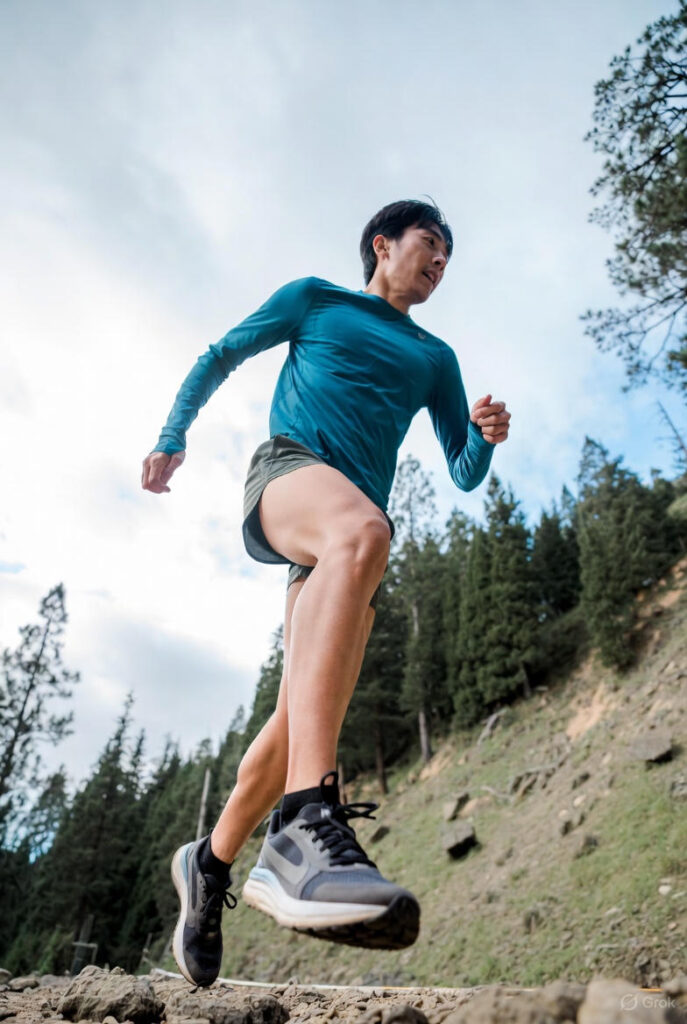
- Land on your Heels Running downhill.
After reading articles and watching YouTube videos the general consensus was, that landing on the front balls of your feet, was the proper form. I had been doing so but was experiencing the worst shin splints and sore knees afterward. Most of the running I do is through the hills, I’m up and down like a yoyo. One day my knees were killing me, so I instinctively began to land on my heels, whilst running down a steep section. There was an instant relief, an instant alleviation of pain. This was a great find and Since incorporating this, I have been able to run further distances and simultaneously reduce knee pain.
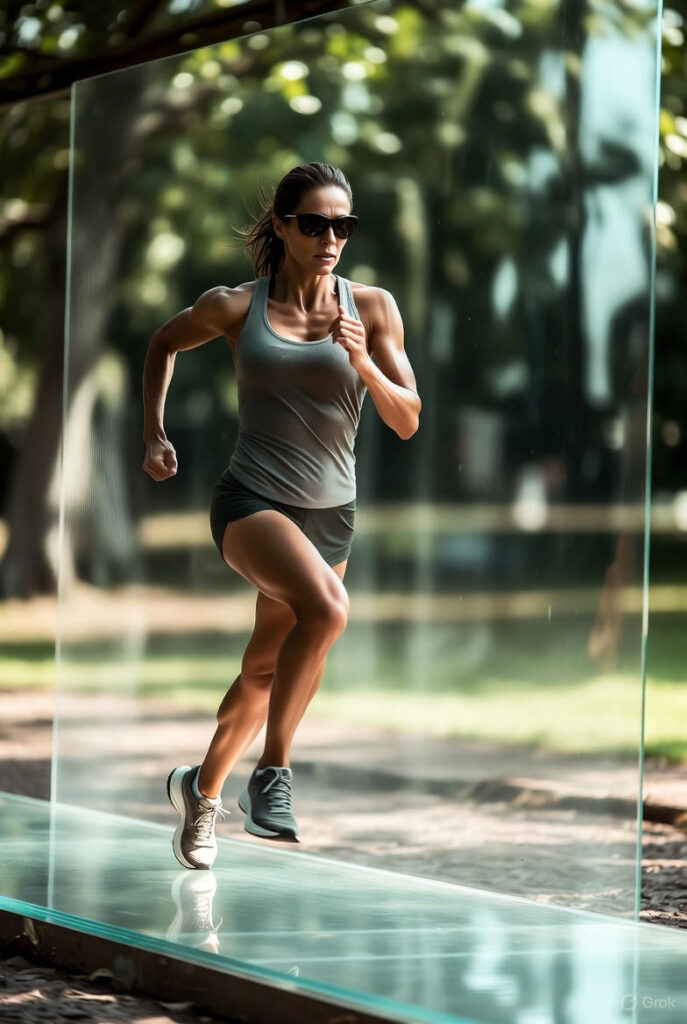
2. Running lightly.
This one is tricky to explain, but give it a try, it works for me. More of a mental trick to improve form, try to think about walking lightly on a tin roof. Running and not making too much noise, or imagine you can’t put too much pressure on the ground as you land because it is paper thin, or else you will fall through. When I do this, it seems to naturally reset form. The impact is less, everything feels aligned, and you run like a well-oiled machine.
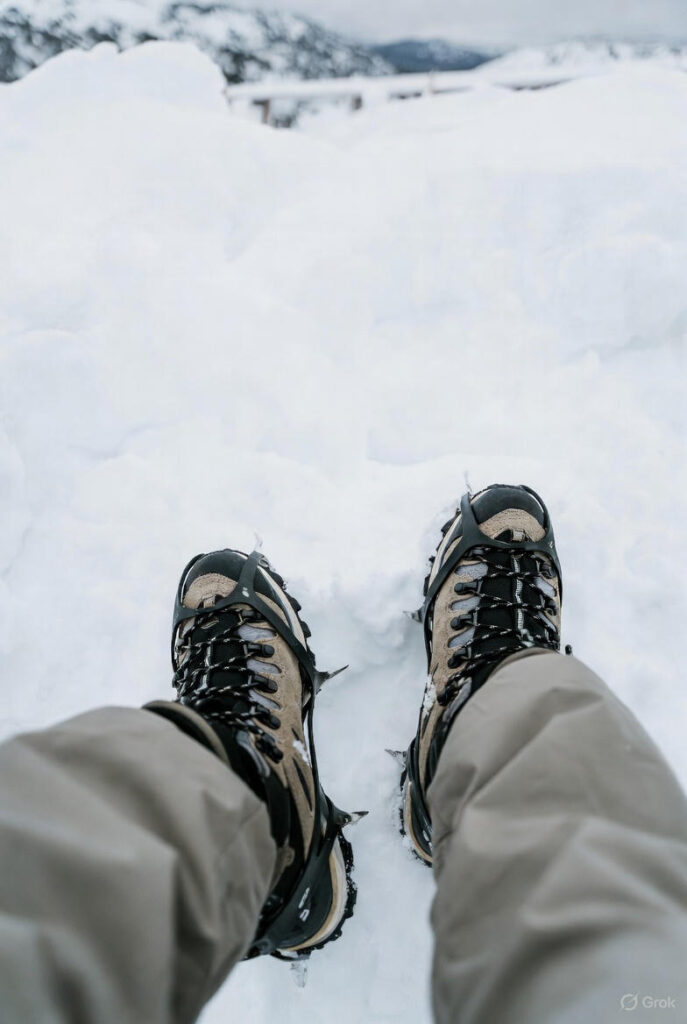
3. Stab your toes into the hillside.
This method is about how to most efficiently run uphill. It goes by picturing you are climbing a glacier, kicking footholds with your toes. Heading straight up, not side to side. Never letting your heels hit the ground, springing upward, using that Achilles to propel you forward. This improved my efficiency when it came to ascents. By the top, I felt a lot less exhausted and out of breath. Another tip is to look straight down at your feet and forget about what is in front and how much further the top is. You will get into an almost meditative state, and you may start to enjoy what you previously hated.
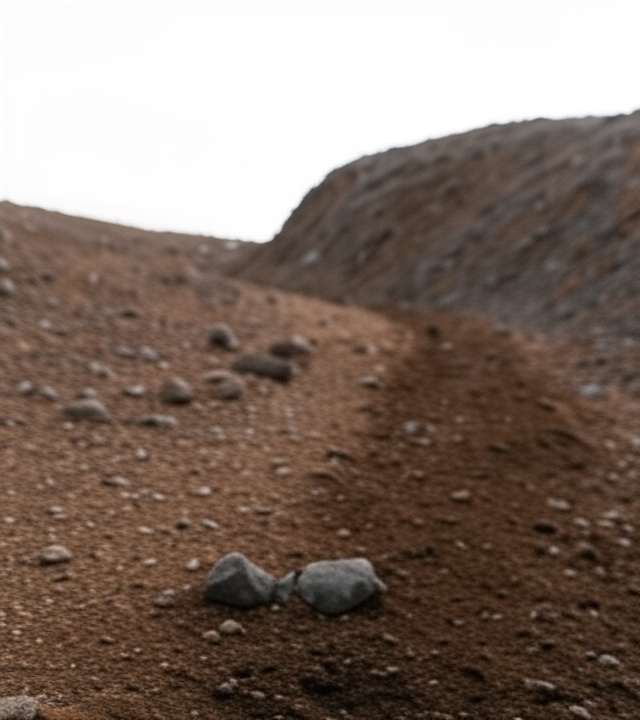
4. Trail running shoes on dirt, prevent injury.
Sounds obvious right, use trail shoes for trails? For many months, all I had was regular road joggers. I ran in them for the first 5 months of training and the only type of running I enjoyed was on dirt roads through the hills – nobody out there to bother you, and better scenery – most of the time with my dog George. While running, there is a lot of time to think. I noticed that as my foot landed it would slide forward ever so slightly. The ball of my foot would contact with the ground and because the road shoe had no grip it would slide forward, overextend my stride, and put extra stress on my knees. This is how my theory goes anyway. So I changed shoes, the slide stopped, and my knee pain left…for now.
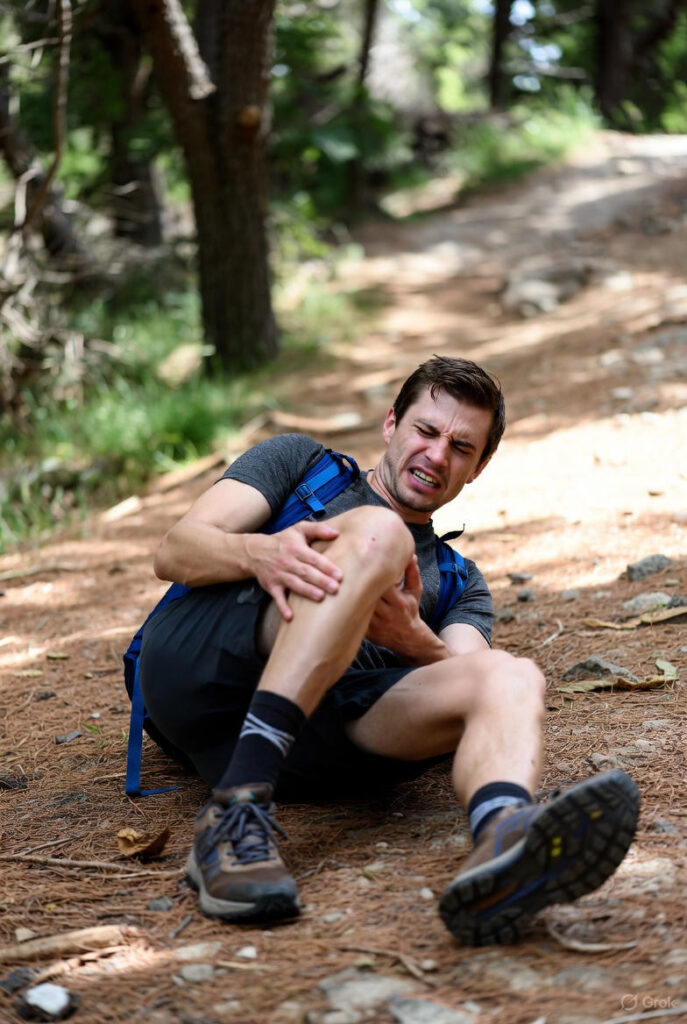
5. Too hard, too soon.
If you haven’t run much in your life, everywhere you drive and at work you sit all day. Odds are your tendons and ligaments are like a lamb that can’t stand the weight of its own wool. You have no foundation, you need to pour the slab, let it cure, and smooth out the defects. Tendons are different from muscles, muscle can repair and improve after a week. Tendons take 2 months just to begin to strengthen, and even longer to heal. That’s why it’s important to take the first few months of training slowly. Improve muscles that protect joints, let tendons strengthen, and build a solid Aerobic base. In this case slow and steady does win the race. By avoiding injury and not having to sit around vegging out. Once that foundation is there, it begins to snowball, and you will start seeing huge jumps in your progress. Take that first 6 months to build the foundation properly, and you will be grateful you did.
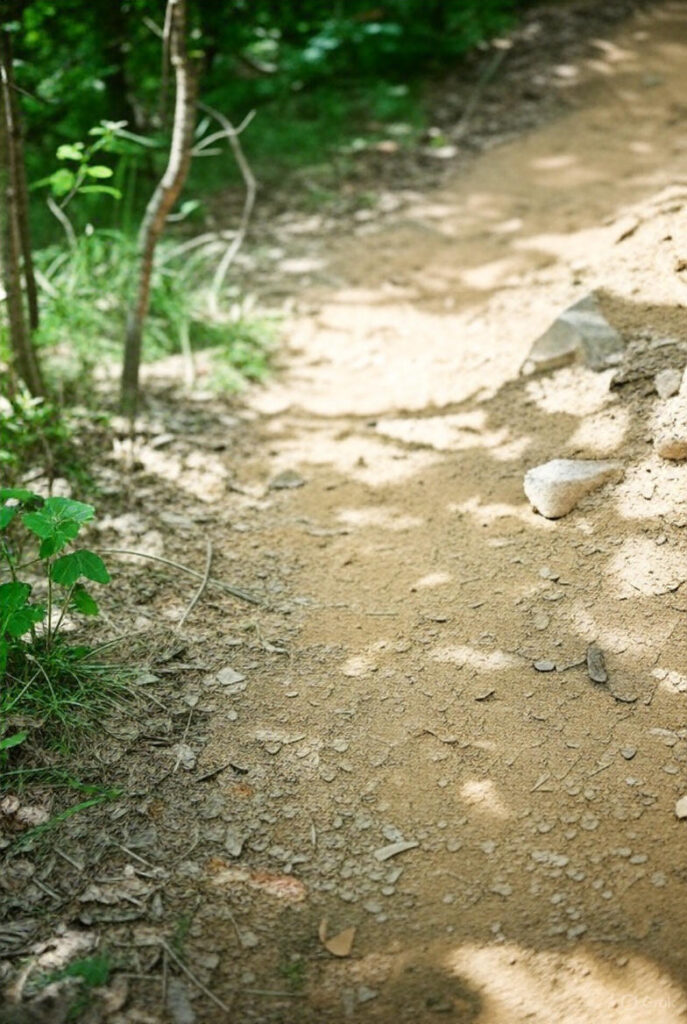
6.Alternate where your foot hits the ground.
As injuries surfaced and recovery time made some days a struggle. I had to learn how to run in a way that was not rigid. Everywhere you look blogs, YouTube, you HAVE to land on the front balls of your feet at all times, Do you dare do anything differently? this only puts constant, repetitive stress, on the same muscles and tendons. I decided to do it my way, listen to my body, and land any which was comfortable. Alternating form, dependent on what came up, (sore knees, shin splints, sore arches of the feet) would alleviate the symptom, and allow me to continue.
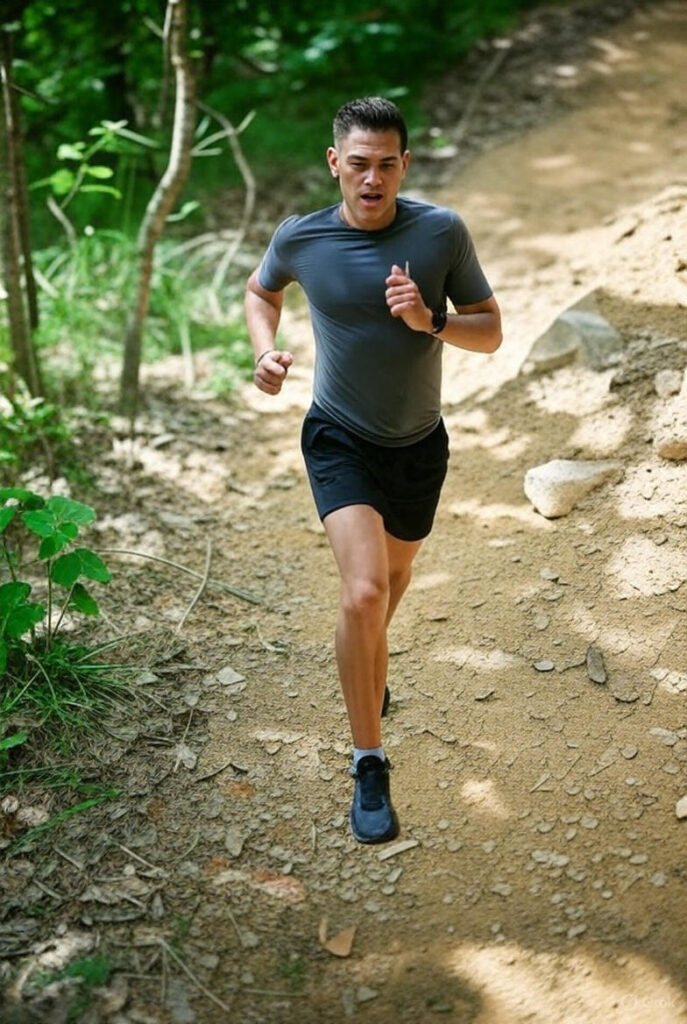
7. Swing your arms, Relax your shoulders.
This realization should have been early on, but I disregarded it as common sense. An automatic action I should not have to consciously think about. While running uphill, doing the artic hiker stabs, I began swinging my arms with every step – with intensity, probably looking like a fool – and I instantly noticed less resistance, more spring. The same went for the whole run, in all terrain. It seemed to help propel me forward, reducing effort. The other thing I noticed, relax your shoulders. Don’t hunch them up into your ears. Imagine you have a singlet on, the straps over the shoulders pulling downward. This stops your back muscles from tiring and seizing up, uses less energy, and gives you a better center of gravity.
These are from my experience running, that have helped me improve. They work for me, they might not work for other people. Everybody’s frame, body composition, and genetics are different. But if it does help someone, that’s great, if not, at least it has helped me. I will write another post towards the end of the year, and update more on what I discover. I will also add an update on how the Marathon went.
Ryland Peters.